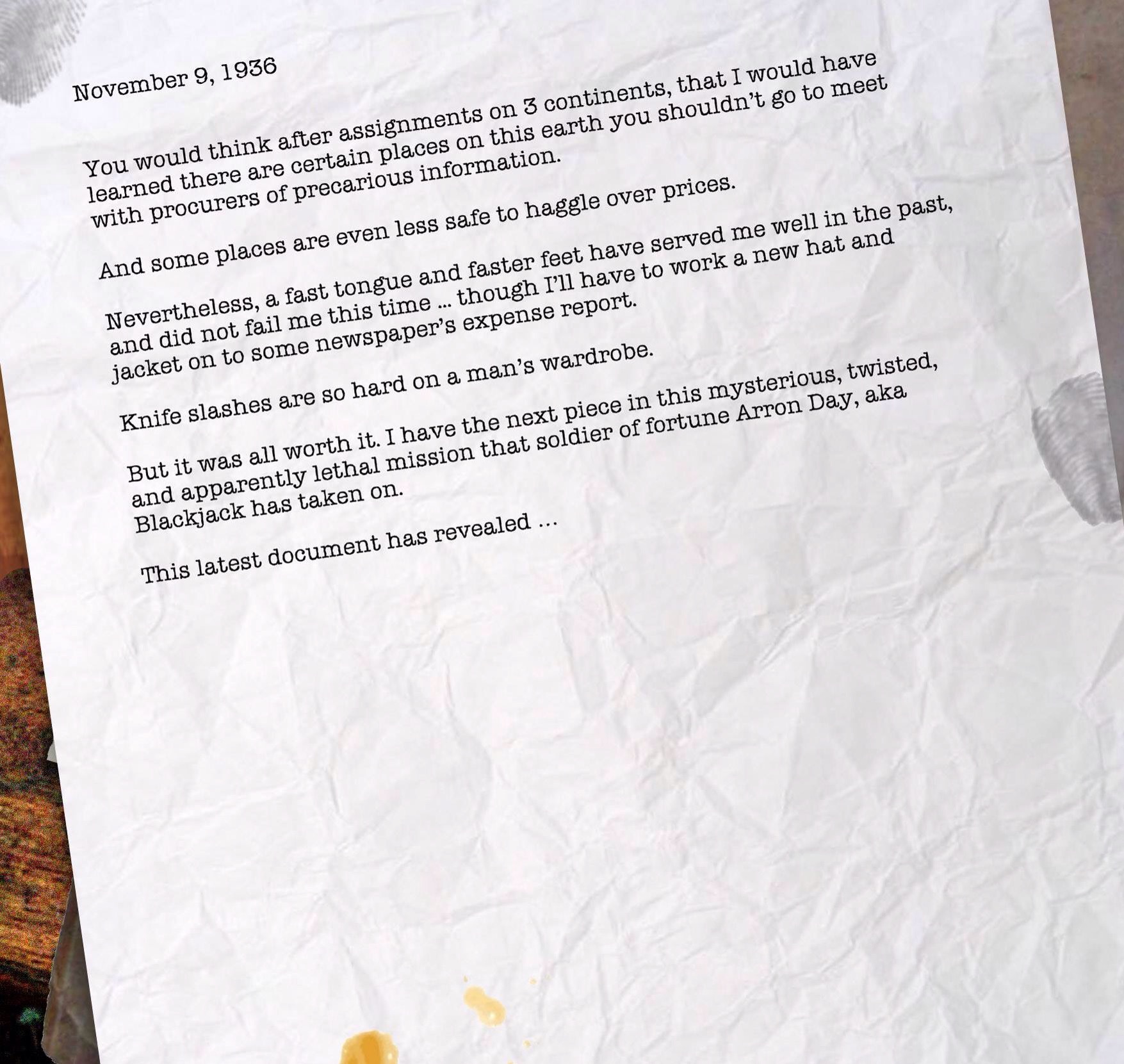
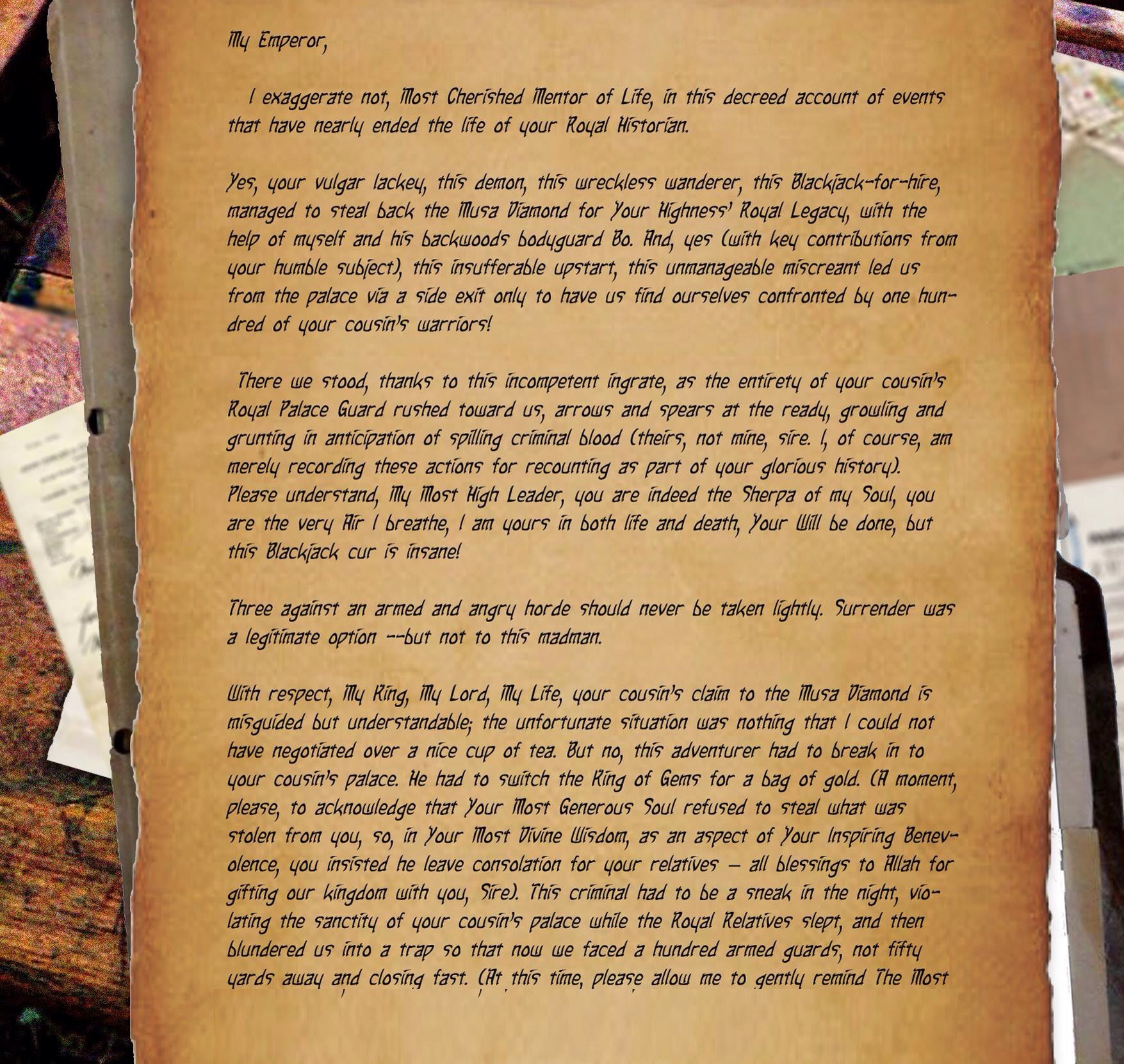
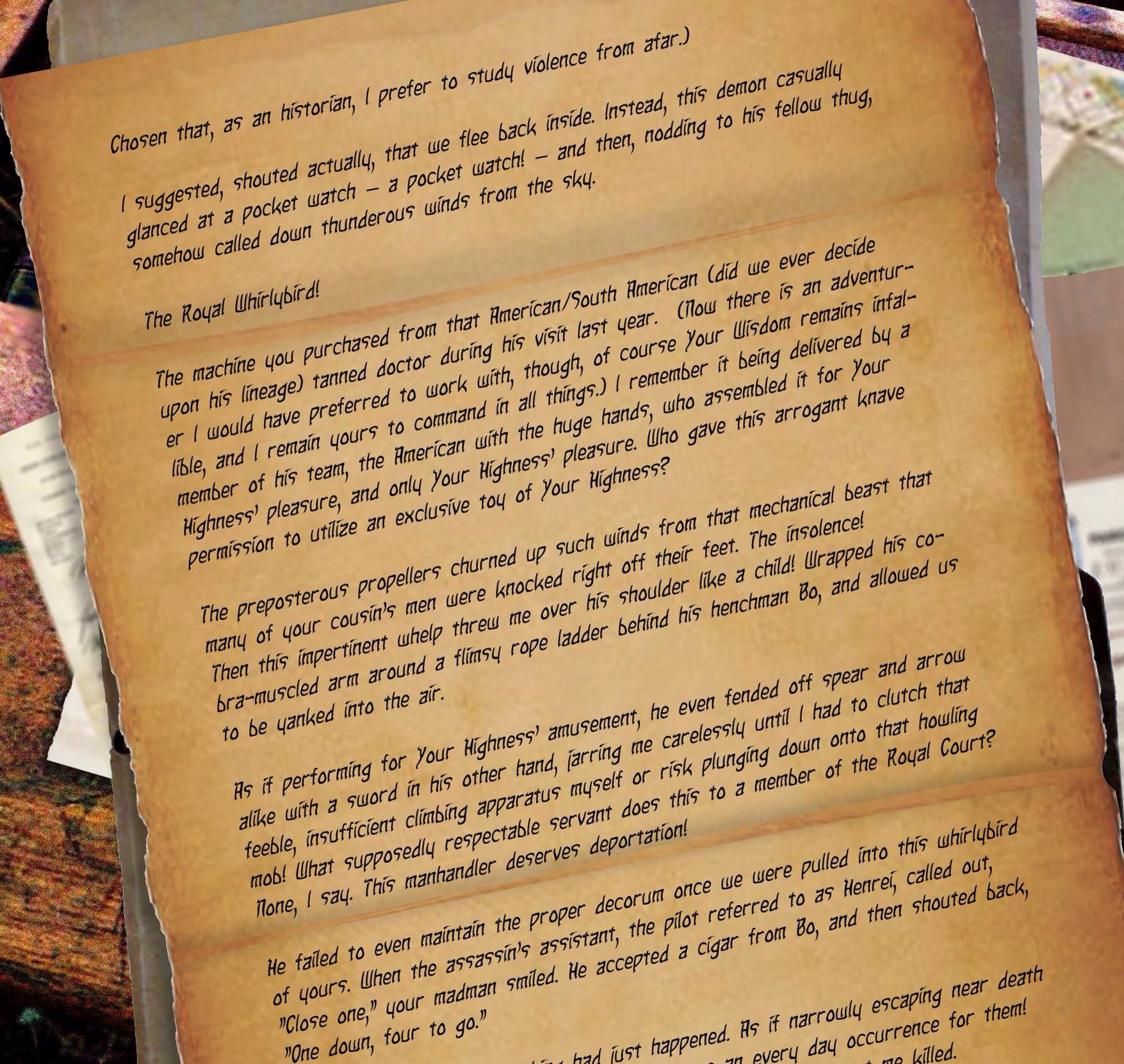
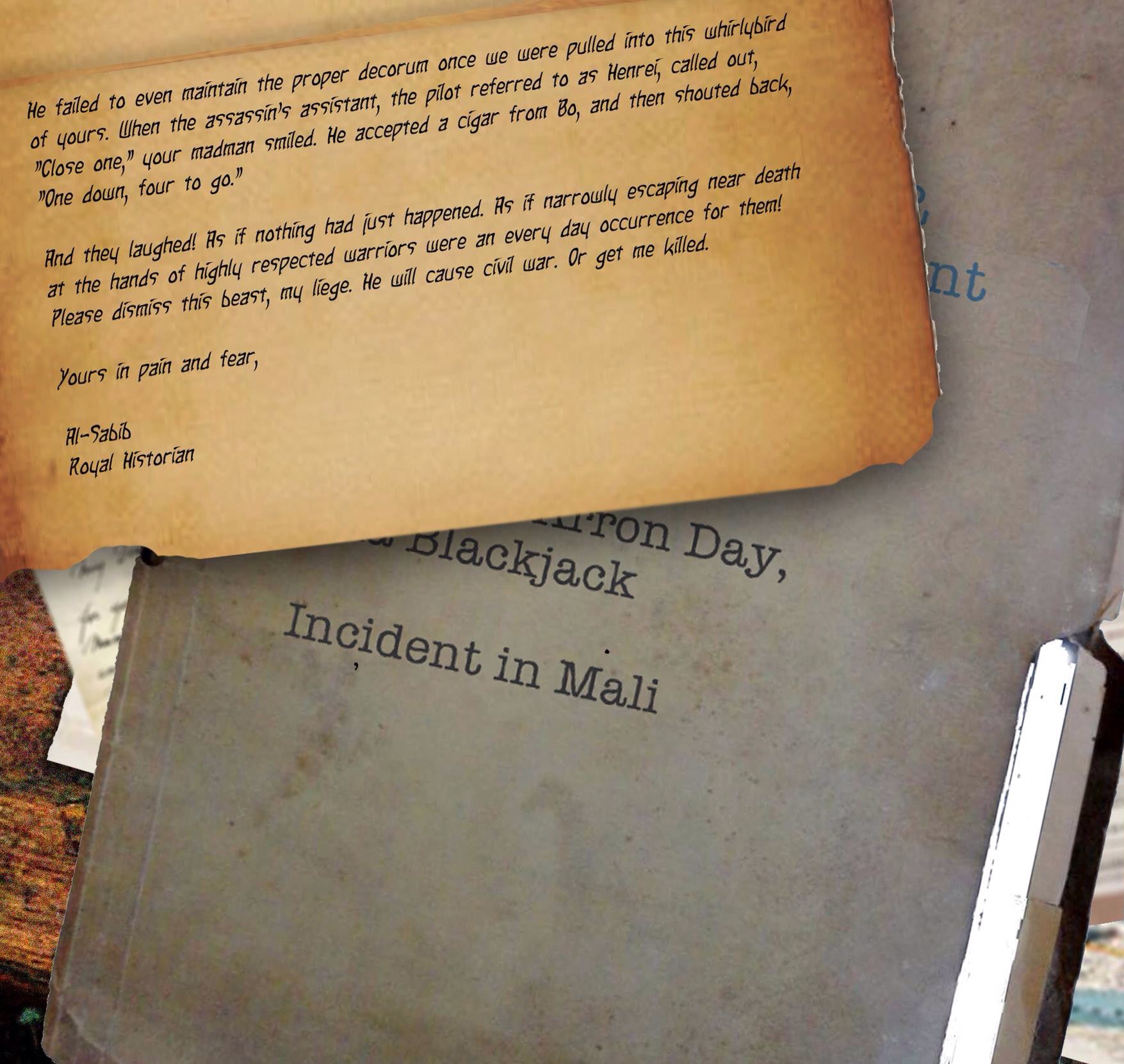
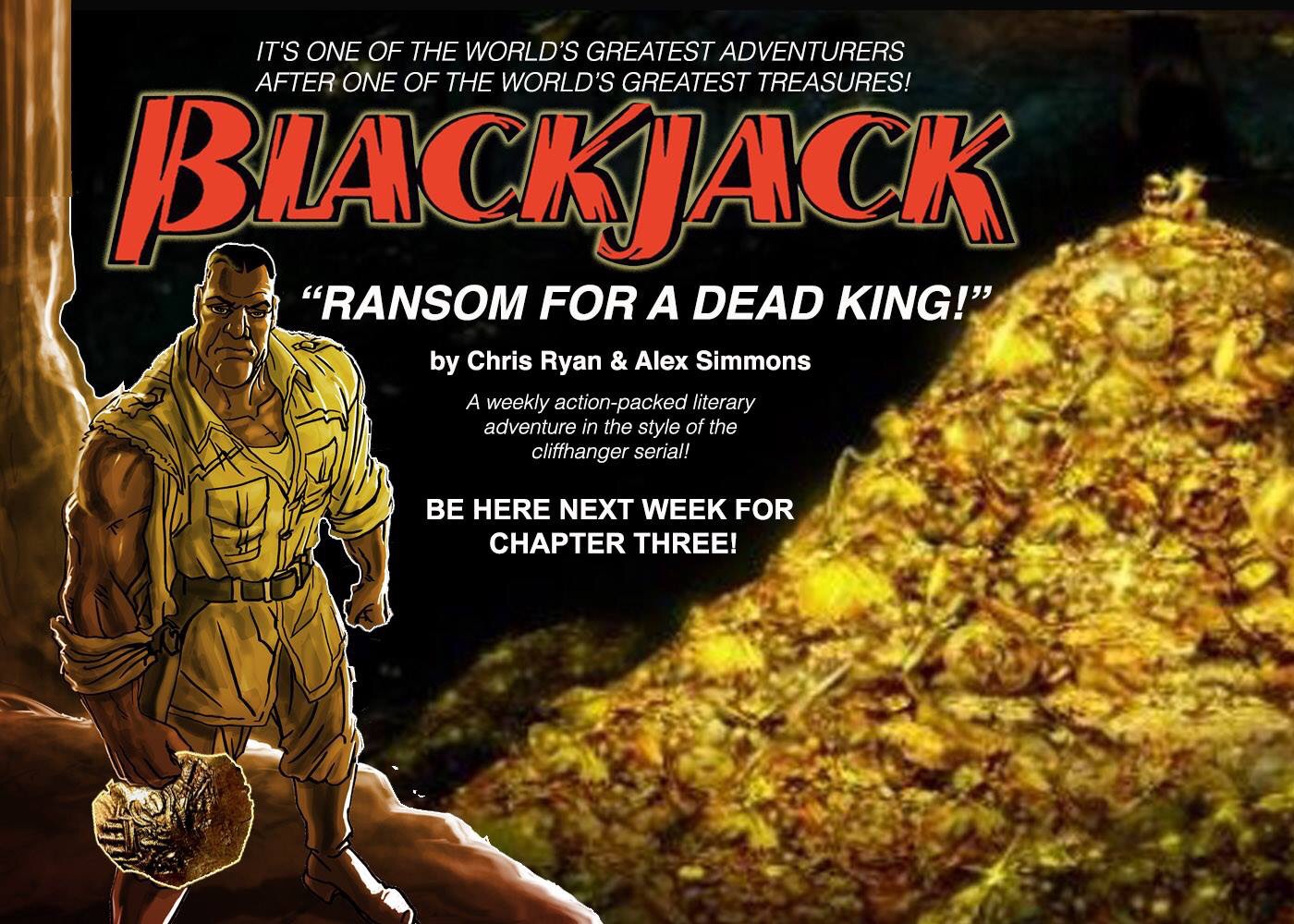
“Blackjack: Ransom for a Dead King”                                                                               An Adventurous Gift for You

There are so many ways to tell a story. Print, e-books, audio, just to name a few, are growing in popularity as part of the Indy book movement (despite the doctored figures big publishers want people to believe). Podcasting and YouTube shows also speak to new venues for connecting with audiences. And, of course, the world is overrun with blogs, mine included.

But how else can creatives share a story with readers? 

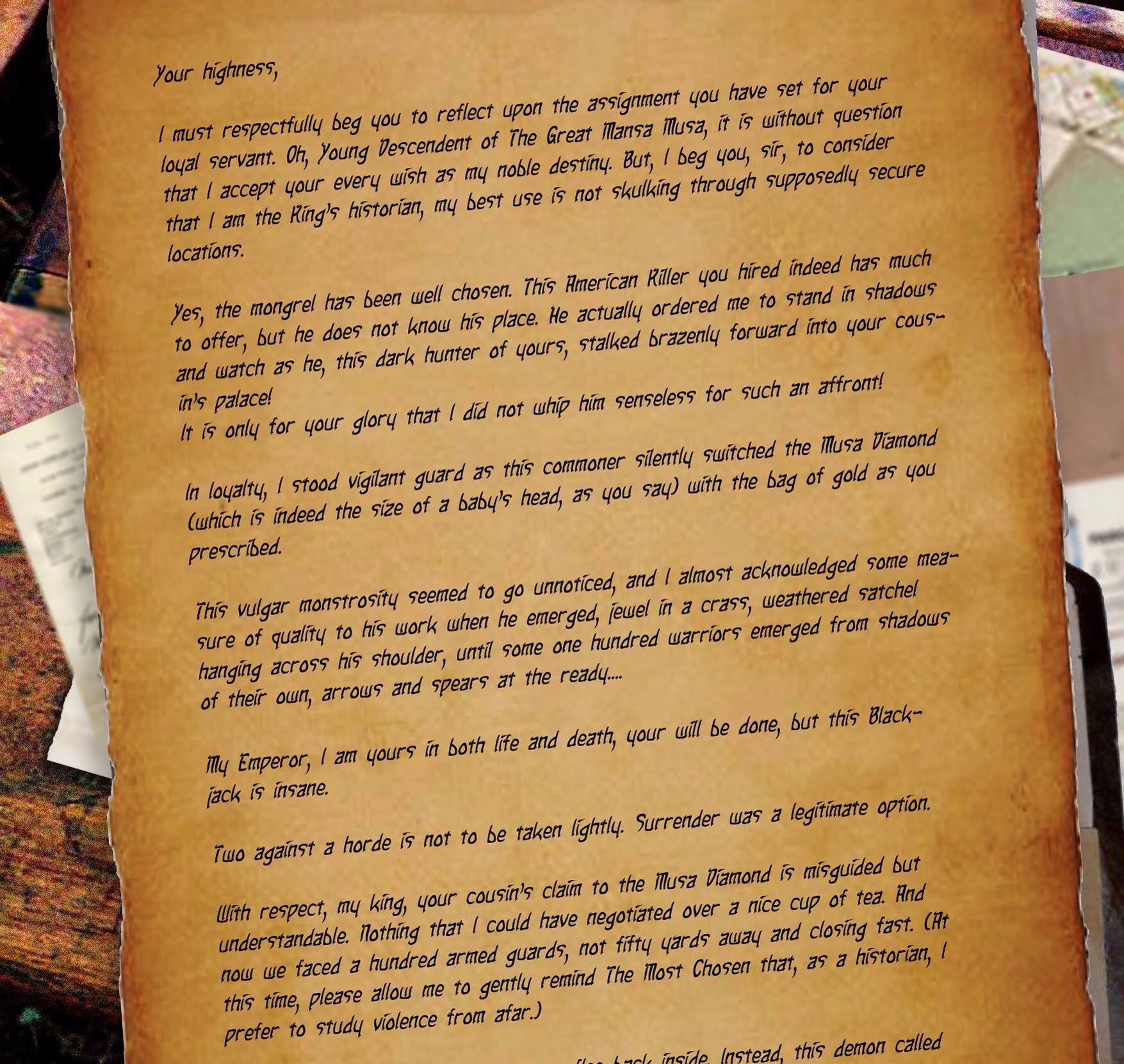
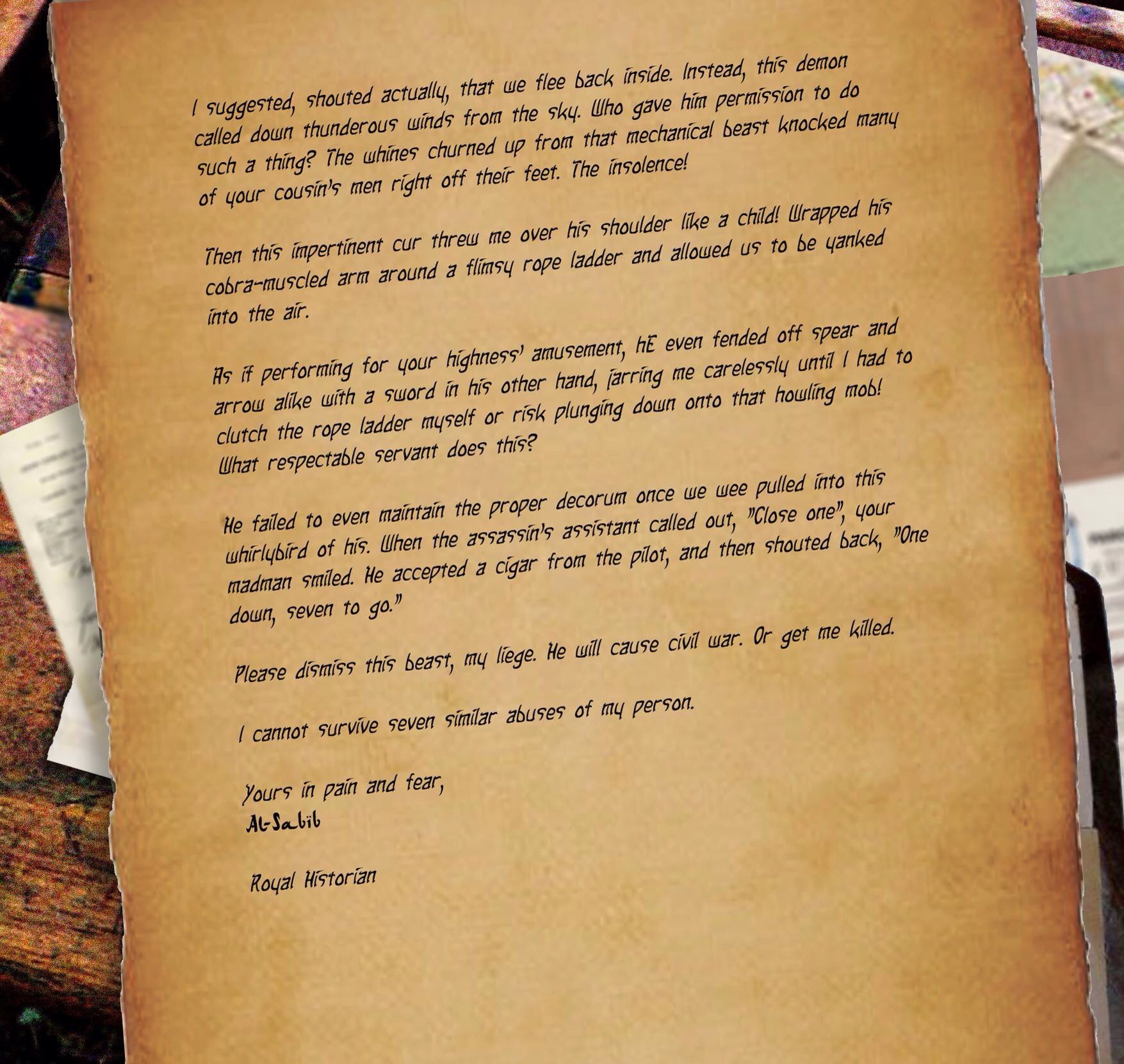
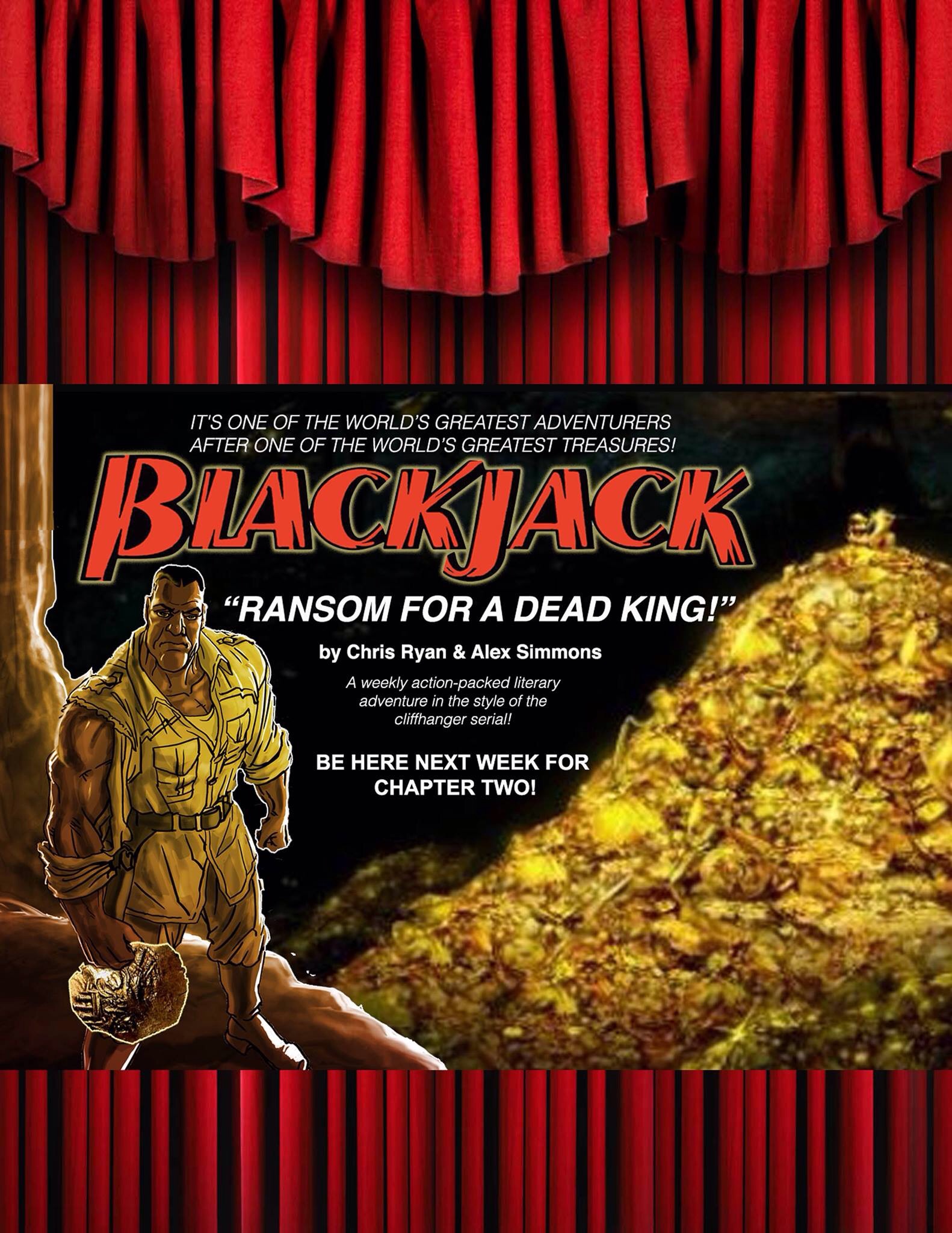
Blackjack creator Alex Simmons and I think we may have found a fresh way to share the kind of pulp, cliffhanger-style, serialized adventure we have aways loved, and we are doing exactly that, for free.
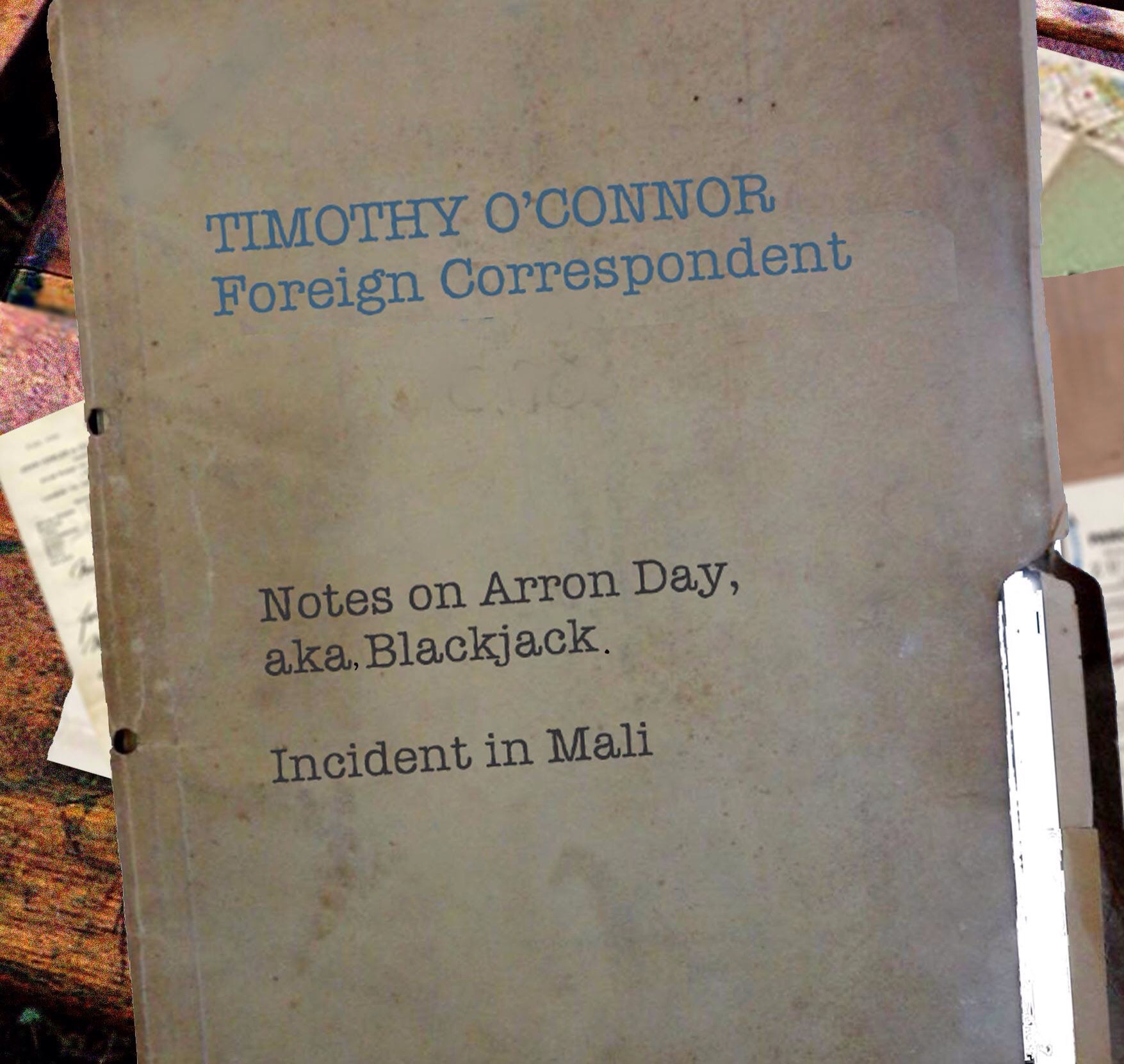
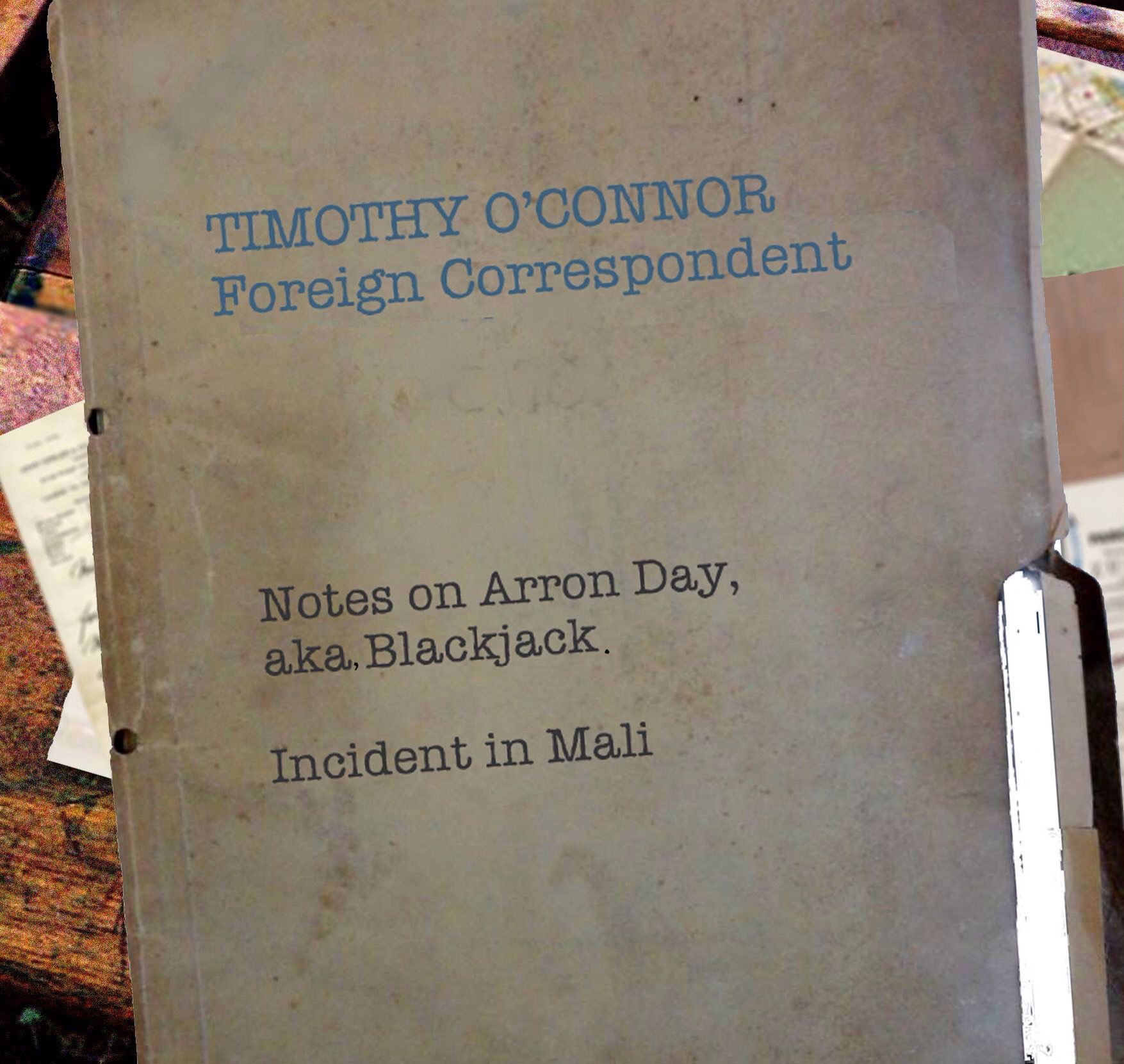
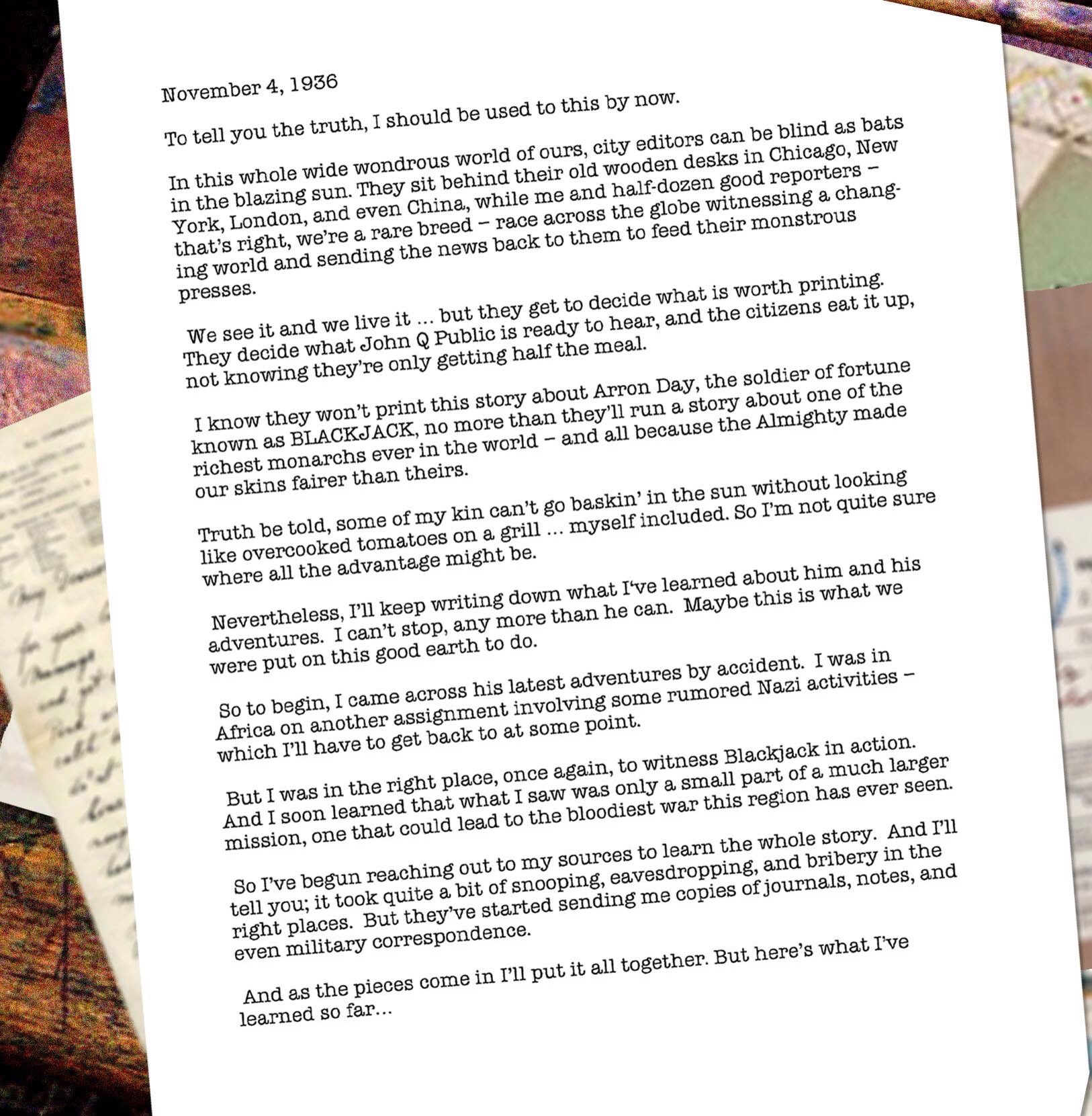
The idea is a “found file” format, where readers get to see the file of one of the story’s characters. Subsequent materials come from a variety of sources and have been gathered so he can see the whole story …. And so can we.

Your part in all this is to sit back, scroll through, and have fun (and hopefully let us know what you think). 

Here are the first two chapters. More will come every Saturday around noon, just like the old time serials. Enjoy.

 Chapter One 


 Chapter 2 


Christopher Ryan is author of City of Woe, available on Kindle and Nook, and in print. For more info, click here.

Posted in #adventure, America, comics, digital publishing, ebook publishing, fiction, film, independent publishing, Marvel, Marvel Cinematic Universe, pop culture, self-publishing, super-heroes, Uncategorized, writing | Tagged , , , , , , , , , , , , , , , , , , , , | Leave a comment

The Best Father/Son Relationship on Television

I am a father of twin boys. Well, twin men. My sons are 20 now, and our relationship has moved into a more mature zone. And while in that uncharted territory, I find myself grateful for being able to watch the best father and son relationship I have ever seen on television. That virtual how-to on parenting is a featured element of the CW show The Flash.

Grant Gustin plays Barry Allen/The Flash and the great Jesse L. Martin offers a master class in parenting as Det. Joe West, who took Barry into his home when his father was wrongly convicted of his mother’s murder.

The relationship between these two delineates the perfect modern father and son bond. There is clear love, respect, and communication that many parents would pay considerable money to enjoy. Again and again, Joe Allen offers his guidance and support and makes the effort to understand who his adoptive son is becoming. There are no preconceived expectations other than wanting to be in Barry’s life. Joe is equally good at working through problems with his natural born daughter Iris, the love of Barry’s life. Navigating that particular minefield gives Joe a platform to truly show what a role model he is to parents everywhere.

In a show that offers everything from the perfect execution of sci-fy 101 tropes to compelling characters, the parenting and Barry’s relationship as adoptive son shine as bright or brighter than all other elements of this classic television series. 

If you haven’t seen The Flash yet, go to Netflix and start to catch up. This is a show that is not to be missed for so many reasons.
  

Posted in America, comics, education, fiction, film, husband, kids, love, marriage, parenting, pop culture, sons, super-heroes, teenagers, wife, writing | Tagged , , , , , , | 3 Comments

In the Wake of the SPOILER, is The Walking Dead Still Worth Watching?

SPOILERS AHEAD. YOU’VE BEEN WARNED.

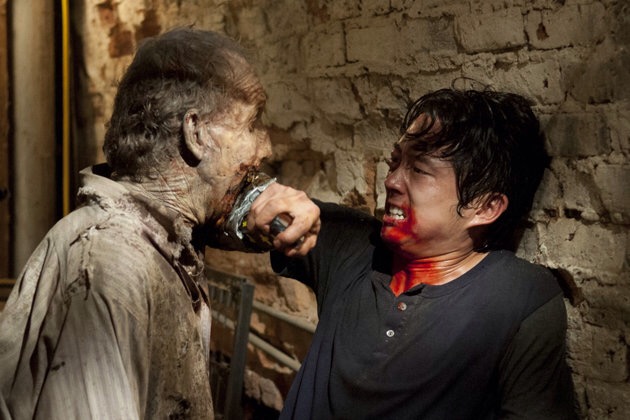
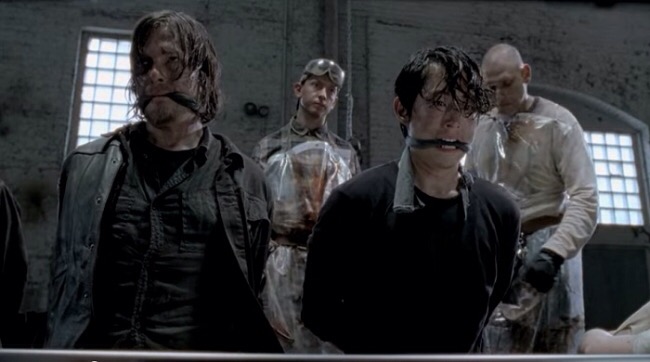
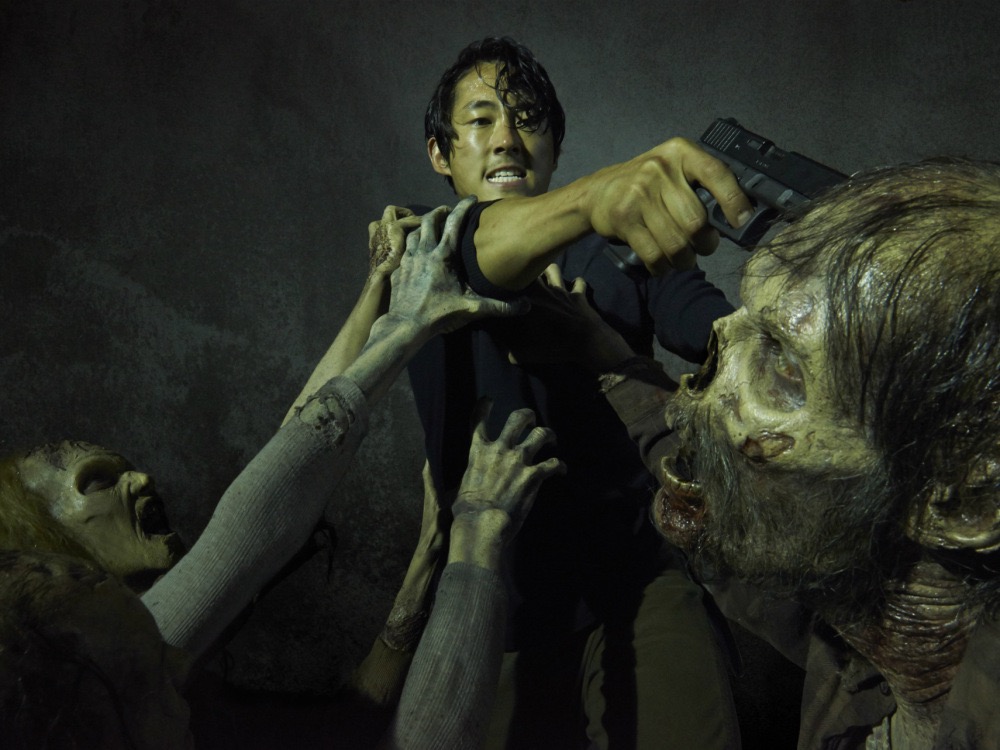
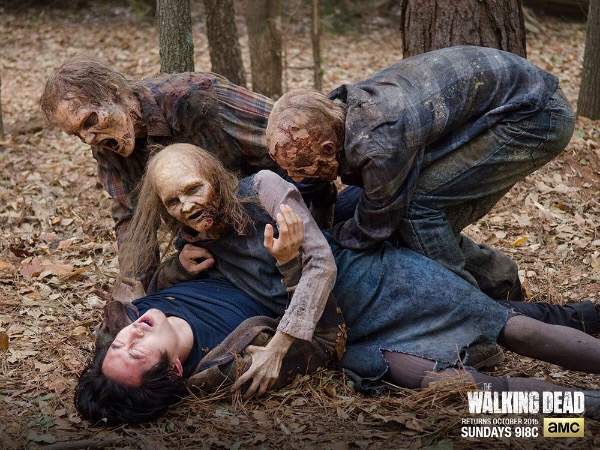
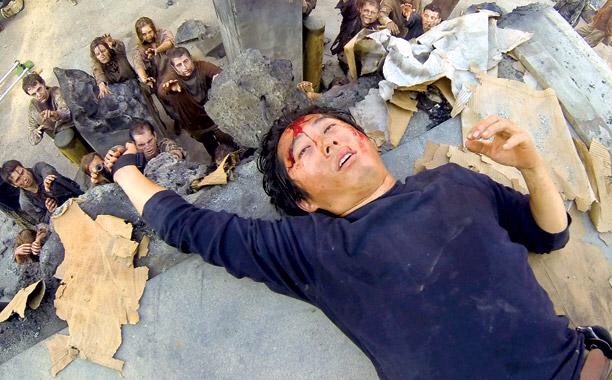
Sunday night still bothers so many of us, much more so than numerous other intense episodes of The Walking Dead. And questions abound, haunting us, making us go over that particularly horrid moment in our heads. Some rewatched the sequence searching for possibilities: chest positioning, where the blood was or wasn’t, screams, and the placement of a dumpster. We do this hoping against hope that fan favorite Glenn somehow survived what looked like a horrible demise on The Walking Dead.

He’s done so before…. 


Glenn has survived so many impossible odds, he has become a strong symbol of hope for humanity on the show…


And our hopes have suffered horribly at the dastardly hands of Kirkman and Gimple and Nicotero, et al…

  
But they have also seemed to be wandering away from the comic book, improving upon the story that started there, creating moments that rose above the comic’s achievements. One way has been by being smart enough to avoid mistakes made in the past, sometimes terrible, trust-violating, inorganic horrors that caused many of us to stop reading the comic…

  
Which is why it is so hard to believe the show runners of TWD would willfully repeat the same Crime Against Fans. 

And yet, here we are haunted by Sunday night, mourning the apparent meaningless death of a beloved character again.

Gimple went so far as to offer a message to The Talking Dead viewers, seeming to say such things must occur so the story doesn’t suffer from having safe, untouchable characters.

Or he could be messing with us.

Or maybe , gulp, not.

The reaction to Glenn’s comic book death was overwhelmingly negative, but it seemed then that Kirkman didn’t care then (which is admittedly his right as the creator), so why would he care now?

Or he could be messing with us.

Or maybe, sniff, not.

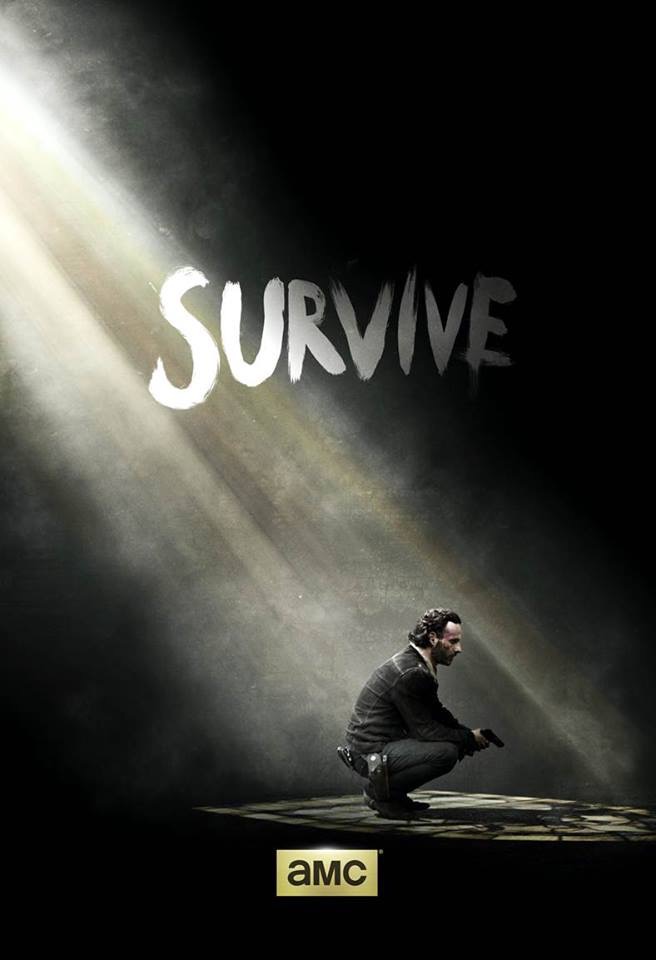
If, as they have always said, serving the story means no one is safe, then Glenn could have been killed to prove that. If this is true, the question that needs to be asked is … What story are we watching? If last season’s advertising image is to be believed, this is a story of survival….

  
And, if this is a story of survival, shouldn’t one of their best survivors do so? Shouldn’t our symbol of hope for humanity  find a way? Or is this merely a “survive for awhile” story? If so, why are we watching? If there truly is no hope, if all of this drama and pain and desperation only results in postponing the inevitable, is The Walking Dead worth our time?

After Glenn was killed so inorganically, so unheroically, so meaninglessly in the comic book, the answer for me became “No.” I stopped reading. I hoped the show would prove to be a different experience.

I still hold onto that hope…

… Gulp, sniff…

But it may be fading….
Christopher Ryan is author of City of Woe, available on Kindle and Nook, and in print. For more info, click here.

Posted in America, comics, digital publishing, ebook publishing, fiction, film, pop culture, The Walking Dead, writing | Tagged , , , , , , , , | 3 Comments

And now, something for you….

I publish books under the imprint Seamus and Nunzio Productions, LLC. That name came from my older brother’s reaction to the maternity ward picture of my twin sons, who turn 20 this weekend. To celebrate, we are doing a free giveaway of three titles – a novel, a collection of short stories featuring my most popular characters, and an exclusive short story. Come celebrate these inspiring sons with me!

Birthday blowout Free giveaway:

My two other novels are now at the low price of $2.99:

Enjoy!


Posted in America, comics, digital publishing, ebook publishing, education, fiction, film, husband, independent publishing, kids, love, marriage, Marvel, Marvel Cinematic Universe, Music, parenting, politics, pop culture, self-publishing, sons, sports, super-heroes, teaching, teenagers, The Walking Dead, Uncategorized, wife, writing | Tagged , , , , , , , , | Leave a comment

Defending Kevin Smith (to Kevin Smith)

Okay, I’m dragging my protruding gut through a kettle bell workout with the sound off while listening to the recent Smodcast “Comic Book Men” episode, and I once again had to endure multi-hyphenate Indy legend Kevin Smith repeatedly calling himself fat, dissing himself as a writer, and mocking his directorial talents (taking turns laughing off Clerks, Mallrats, and, most often, Tusk). Between bouts of berating himself, Smith was consistently gracious to, grateful for, and supportive of his audience. He treated them like gold, casually directed an audience member’s superhero pitch, launching into a vivid retelling of the epic fight scene at the end of Daredevil episode 2, and then going to church preaching the power of self-actualization to his audienc…

… all generous helpings of self-loathing throughout.

There are clearly two Kevin Smiths and they are so out of balance now that one is holding the other back. Someone has to say something.

So…

Dear Kevin Smith,

Please, please, pretty please (I’d say “with sugar on top” but you gave that up), it is time for you to do the Captain Kirk doppelgänger battle, the Bruce Lee room of mirrors showdown. There are a series of problems with how you see and present yourself and it is abundantly clear to us that your words about yourself just do not match your deeds. Just as you encourage us to reach for our best selves, we plead with you to face the truth.

Actually, there a a number of truths we ask that you review. The biggest problematic Kevin Smith statements are as follows:

1) “I’m fat.” Nope, not any more.

2) “I can’t write.” That’s a lie, and every podcast, book, TV show, and movie you are involved with demonstrates the depth of its untruth.

3) “I can’t direct.” What criteria are you using for this judgment? That you haven’t made a wildly successful mega million dollar summer tent pole? That Bruce Willis went full angry jerk on you? How are either of these accurate measures of your achievements? A far more legitimate measure would be the throngs of us that come to see you at appearances andcons. You know, the loyal audience that subscribe to your podcasts, watch your shows, and, of course, buy and cherish your films (some even defend Tusk, the first half of which was awesome).

And that is the reason for this post. You have a body of work, a vividly alive, vibrant, multi-platform body of work, that nourishes and delights millions. Is your audience the size of Marvel’s? Maybe not, but the accomplishment of gathering a tribe the size of yours over these many years and watching us thrive at this strength — that is a triumph that you clearly get but for which you do not seem to accept credit.

How did you do it? Luck? Maybe a bit, but you made most of your own luck by putting yourself out there. 

If not just luck, then how?

You achieved all this, gathered all of us, because you are a gifted storyteller and conversationalist of significant passion and humor and heart and thoughtful depth. You spend a significant amount of time espousing and encouraging us to be good to ourselves, to fulfill ourselves, and to allow our creative selves to emerge. And we love you for it. To us, you are not fat, you write in a style we embrace deeply, you direct in a unique and beloved way- we even love your wardrobe.

Honestly, what more can a creative want? 

So here’s a request that  you, as a former duly trained Catholic boy, will recognize;love yourself as you have loved us. You deserve it, we deserve it, and if you finally forgive yourself and cut yourself a break, we’ll get even more great Kevin Smith creativity.

You deserve to embrace the best in yourself and stop beating your own ass.

We can’t wait to enjoy the results.


Posted in America, comics, fiction, film, independent publishing, Marvel, Marvel Cinematic Universe, Music, pop culture, super-heroes, The Walking Dead, writing | Tagged , , , , , , , , , | Leave a comment

Advice to a young artist

(I wrote this to a former student and musician who posted on FB a cool bit of music video of him playing a work in progress. He called it “trash” and, well …. This happened.)

Stop calling your contributions to the world “trash”. War is trash. Pollution is trash. Rape is trash. Overpricing is trash. Ripping people off, whether by gun or pen, that is trash. Lying to people for political purposes or personal gain is trash. 

Coming up with a melody and putting it out into the world is not trash. Creating a pleasant sound or sight or story is not trash. Art is not trash, it is a gift offered to the world, and each of us are allowed to take what touches us as we wish. 

Art is love, my friend, and love is never trash.


Posted in America, comics, digital publishing, ebook publishing, education, fiction, film, independent publishing, love, Music, pop culture, self-publishing, writing | Tagged , , , , , , | Leave a comment

When the Babies Arrive

You’ve written and rewritten and rewritten your novel. Gotten beta readers and proofreaders to go through it, maybe copy editors and lime editors if you’re able.

Everything that can be done has been done. Cover have been designed, tweaked, polished, accepted, front matter done, interior layout done, tweaked, proofed, fixed, approved. Back cover written and designed. Spine designed, measured, completed.

Everything is done.

You hesitate, worried you’ve missed something. Sometimes you go back and check everything again, and again.

But eventually that moment comes. You push”publish” or “submit” pray to all the gods you know and/or subscribe to, and your dream goes out into the world.

And you wait. And fret. And market every way you can think of and afford to do.

And, of course, you order copies for yourself.

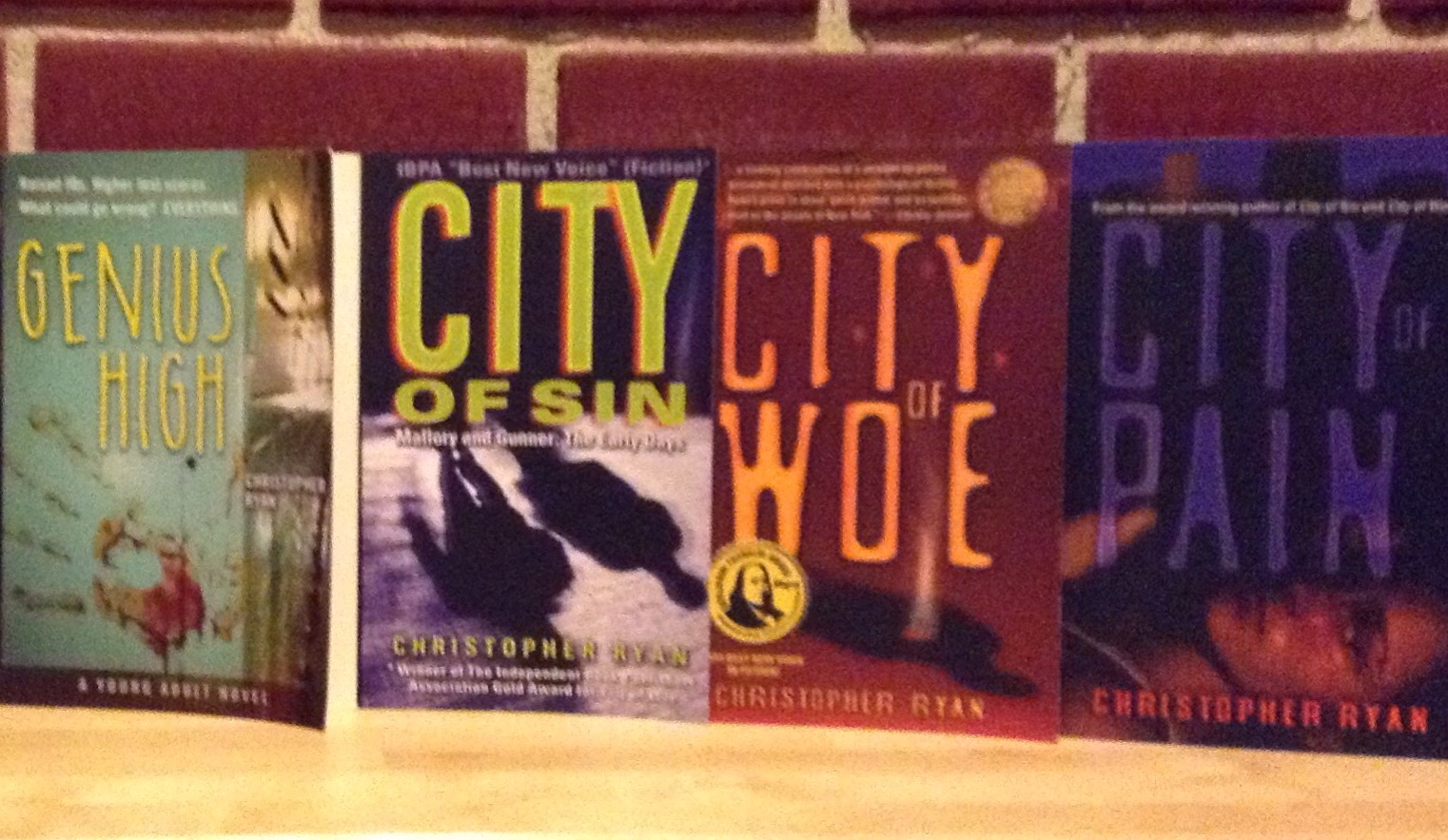
Sometimes you tweak design and re-order. Recently, I did both, changing interiors to cream-colored and covers to matte for the first two parts of the four- part City Series, and doing the same with my YA debut GENIUS HIGH.

And today, they arrived.

And here’s my advice. When yours arrives in your home, take that moment, open the box or boxes, and take that moment, and gasp at them.

From the deepest parts of your imagination to existing in reality…

So beautiful….

Posted in America, digital publishing, ebook publishing, fiction, independent publishing, pop culture, self-publishing, Uncategorized, writing | Tagged , , , , | Leave a comment

Making it Suck Less: Rewriting is the Key to Success

So we’ve explored ways to get your story out of your head and onto the computer screen. We’ve agreed to quit worrying and let it suck (for now) and we’ve got ourselves a draft.

Now what?

Well, some of us will start freaking out, cursing our own birth, and ranting about how what we wrote is the worst piece of garbage ever produced in the entire known universe. 

Good. Go with it. Go get all that Evil Editor nonsense out of your system. Then beat up a punching bag, go for a run, scrub something within an inch of its life — and once you are calm again, the rewarding adventure of rewrite can begin.

Let me clarify some potential misconceptions here: rewriting is NOT an admission of failure, it is NOT correcting mistakes, it is NOT punishment or detention or painful or bad. Rewriting is the art of our process, where we metaphorically utilize out best two horsehair brush, our most precise chisel, our finest sandpaper, and fine tune our work as the artists we are.

Painters do it. So do sculptors, illustrators, animators, CGI artists, graphic designers filmmakers, actors, singers, songwriters, comedians, cooks, speech writers, all creative people. As a matter of fact carpenters, plumbers, house builders, road workers, etc, they do it too. So do athletes, doctors, politicians, lawyers, businessmen, police officers, and teachers.

We all rewrite, refine, polish what we do to make what we present to the world better.

Why would writers possibly be different?

So, the rewriting process.

Here’s what I do:

First draft – Let it suck (awkward phrasing, repetitive word choice, etc. – just get the draft done).

Second draft – make is suck less (yes, a simple achievable goal will minimize freak out and let the work co to use- trust the process) – go for coherent. This is more about big picture stuff at this point. I get story beats to make sense (does someone die and then show up three chapters later?simply fix this.). I make sure the overall pacing works well (things might slow down for a few beats but never let them drag, etc). I confirm characters remain consistent, and that they aren’t too similar (this happened in a recent novel -two villains were basically interchangeable -I reconstructed one character throughout the book, which necessitated many changes that wound up being a lot of fun and caused a few surprises as I prorgressed through that draft).. So this draft addresses on big changes and doesn’t sweat the small stuff. However, if I also find a word repeating I change it whenever it sticks out.

Draft 3 – make it kind of good – all of step 2 gets polished. Here I got through the draft again (after a very necessary break – we have to walk away from the writing, go climb a mountain [of laundry maybe], paint a room, take kids somewhere nice [preferably your own kids, not condoning kidnapping here], just get out of your head and out of the book’s world for awhile. Some experts suggest a minimum of three weeks, but I can’t stay away that long. Just get physically, mentally, and emotionally away for a day to a week, so you can look at it with sort of new eyes). In this draft, I am harder on phrasing, word choice, spelling, grammar, etc, always serving the story (would that character speak this way, would she really do this, is that machine available in this time period, etc.) I crack down on repetition here. I also lock in characters, beats, pacing, and voice. It has to sound right, move forward at a strong pace, and work on most cylinders. The fun part? Mistakes in this draft stick out as we are closely reading the text. “Hey, Marv is the heroic leg breaker, how did he become Mary for this entire chapter?” Easy fix. “Since when did George Washington’s troops have Ak-47s?” Easy fix. “Joan is the lead surgeon. Why is Jessica working with Jack on this surgery?” Easy fix. And any of these situations can go toward reality, sci-fi, or melodrama and still get fixed, depending on what your story needs. The power of the story is intoxicating!

The bottom line here is, you have got this, you are the world creator and can solve any and all problems. Remember, Edison never saw a method that didn’t work as failure  but as taking him a step closer to the solution, and that bad boy and his team lit up the world. Here is where you take great steps toward lighting yours.

Draft 4 – Before I do this draft I send it off to beta readers, reliable judges who are kind enough to read your work and give feedback. And kindness comes in a variety of forms:my wife is my greatest supporter and really loves what I do, a librarian friend is amazing at catching typos and gently pointing out plot holes, another reader caused me to drop four chapters and significantly improve my YA debut GENIUS HIGH by not giving away the villain at the opening a la Columbo, and then I have a friend who is a retired NYPD sergeant, and rips the work I send if it strays from proper police procedure. In my upcoming suspense thriller police procedural CITY OF PAIN, he also pointed out that two villains were essentially the same, inspiring a rebuild that turned a problem into a wonderfully out-of-his-depth character. 

So that is what draft 4 is about, respectfully addressing beta reader feedback. Notice I said respectfully addressing, not blindly following. A writer must consider beta reader feedback in terms of goals of the story. One beta reader recently circled every time a character said the word “Moms” thinking it a typo until I pointed out that was part of his colloquial speaking pattern. My cop friend always wants me to drop the domestic scenes and just focus on the police work, but the story requires us to see the impact of the job on the rest of my character’s world, so the domestic scenes remain. Here I do the fixes pointed out by others if their notes are legit, but we authors have to be strong and honest with ourselves, and not defensive. Beta reader feedback cannot be seen as personal attacks, cannot be blocked by ego, we must always, always, always serve the story. Doing so leads us to great discoveries and a much stronger draft.

Draft 5 – This is both the final polish of the manuscript and where I tend to fall into the “I suck” insanity. Here I often lose all rational balance and freak out if the same word is used twice on the same page! Clearly, I cannot write worth a damn if I find one of those repetitions! I am the worst! Usually, a cup of tea and admonishing myself out loud will get me beyond this — nothing sounds funnier out loud than self-loathing. If that doesn’t work, I confess to Tina that I am a hack loser, and she talks me off the edge to the point where I can continue.

Once I am functional again, I read the manuscript thoroughly, out loud, and polish what sounds a bit off. At this point the work has gelled and this is sort of the dress rehearsal. Do things sometimes need to change at the last moment? Sometimes, but mostly it is polish.

In any event, if you more or less follow this guide, you will have gone from “I cannot write” to I have written a pretty damn good draft!” And you did it by simply letting it suck and then making it suck less. Pretty cool, right?

I hope this helps. If not, ask questions and I will do what I can to help.

Go have fun.
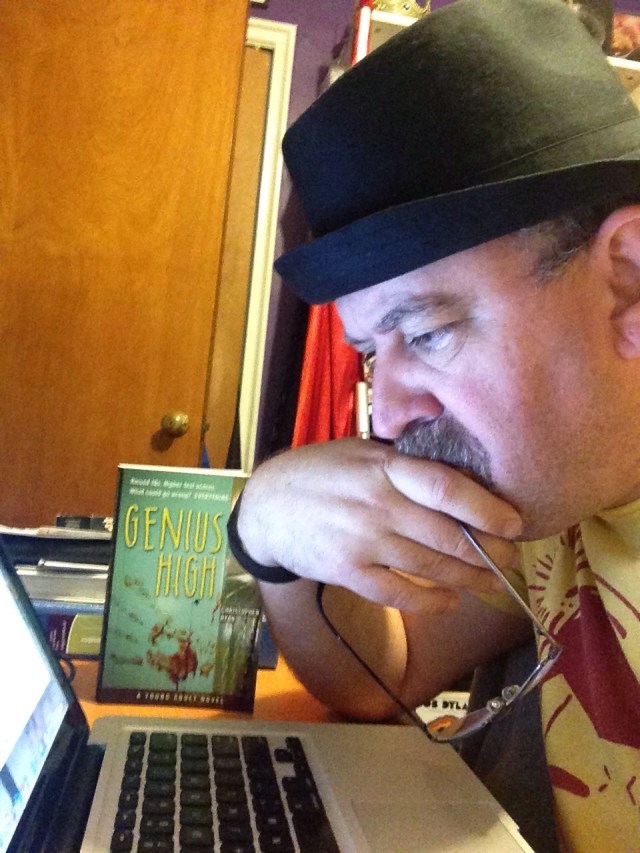
  
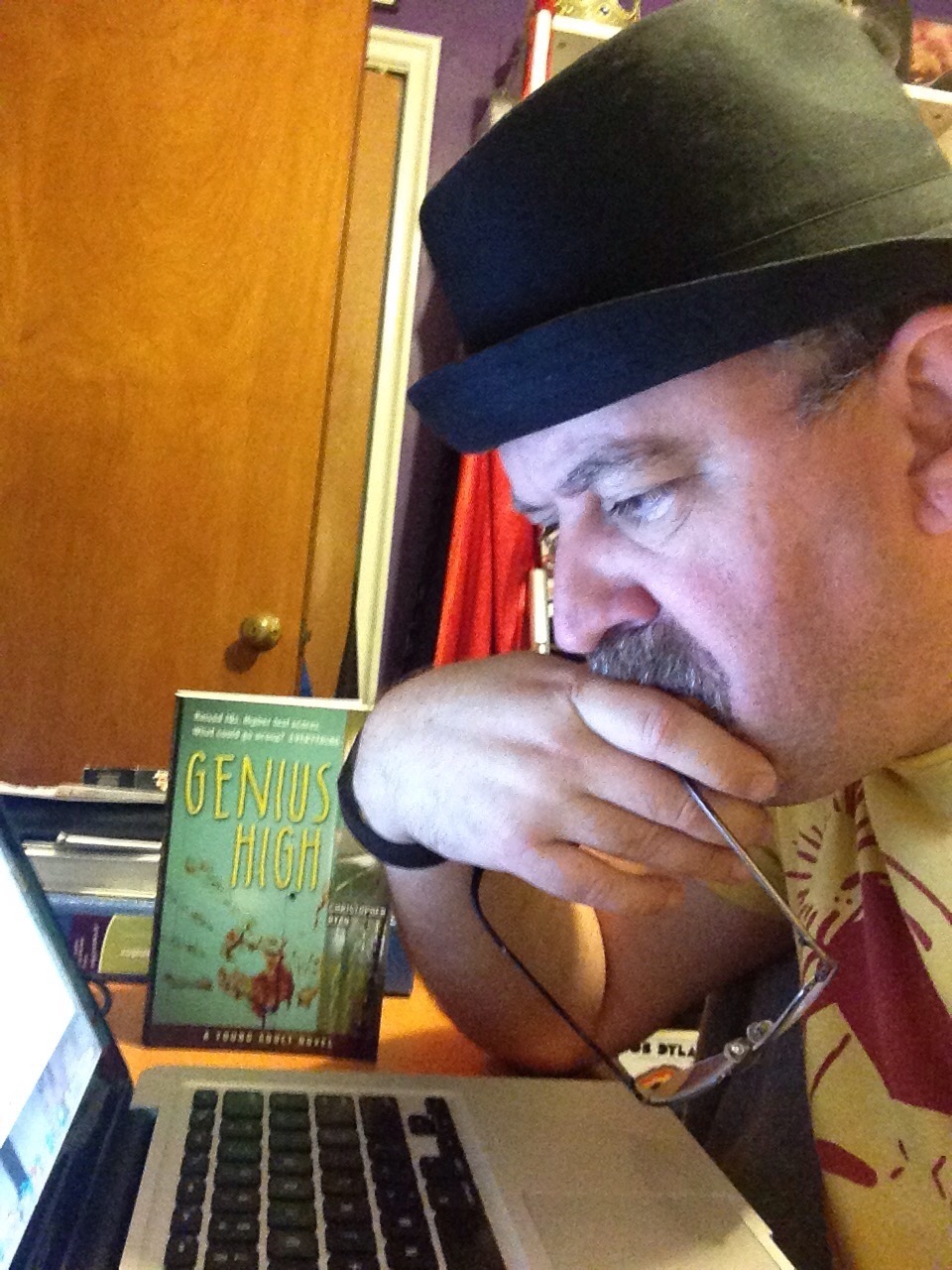
If all else fails, wear a goofy hat while you write. 

Christopher Ryan is author of City of Woe, available on Kindle and Nook, and in print. For more info, click here.

Posted in digital publishing, ebook publishing, fiction, independent publishing, pop culture, self-publishing, Uncategorized, writing | Tagged , , , | 4 Comments

Let It a Suck Series: Joyce Carol Oates and Running Through Your Story Revisited

Continuing a re-share of some earlier blogs that fit the “Let It Suck” Series, here’s some great advise for writing and planning.

Years ago, I attended the South Hampton Writers Conference, and one of the best speakers there was Joyce Carol Oates. What a sight; she looks like a prettier version of Olive Oil and writes with such constant quality and voluminous output that I really wanted to know her secret.

To my shock, she told all of us up front.

Joyce Carol Oates said a key to her productivity is that she she runs. Yeah, runs. More than that, she watches a movie as she runs.

No, she’s not on some treadmill viewing The Godfather for the fortieth time. Oates watches “the movie of the book I’m writing, from beginning to end.” Even more interestingly, she claims she doesn’t start writing that particular book until she can watch the movie from beginning to end without glitches during a run.

The idea is unique, magical and sensible all at the same time. Not many writers use running as a visualization tool. Fewer require themselves to be able to “view” their entire project mentally prior to beginning to write. However, the power and confidence that would give a writer is stunningly sensible.

Oates’ spectacularly interior planning method has stayed with me all these years, and while i don’t run through my books like she does hers, I do let them simmer and emerge in my noggin while prepping to write them. Many a time my wife will discuss with me some family matter while I’m off with my detectives Mallory and Gunner chasing a suspect or dodging bullets. By the time I return to the present, she’s already smirking at me and gracefully starts over.

I hope the exquisite Ms. Oates and her method inspires some of you as she does me.

Christopher Ryan is author of City of Woe, available on Kindle and Nook, and in print. For more info, click here.
20120911-200750.jpg

Posted in America, digital publishing, ebook publishing, education, fiction, independent publishing, pop culture, self-publishing, teaching, Uncategorized, writing | Tagged , , , , , , , , , , , , , , , , , , , , , , , , , , , , , , , , , , , , , , , , , , , , , , , , , , , , , , , , , , , , , , , , , , , , , , , , , , , , , , , , , , , , , , | 2 Comments

Let It Suck Series: Pacing 

Pacing is a tricky thing. And like every other element of writing I say let it suck, at first, but with a catch.

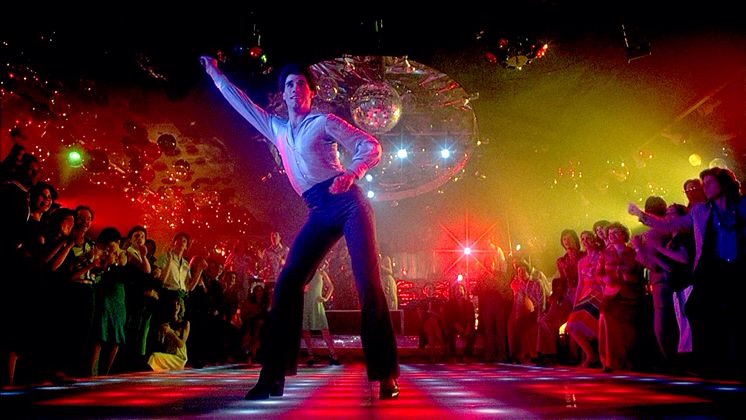
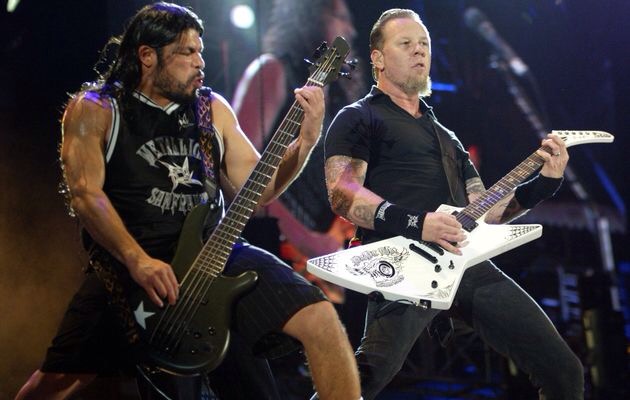
Addressing pacing is kind of like playing along with music- you probably can’t get away with slapping a disco beat on a Metallica song.


 Or a waltz. Or a country ballad. Each style has its own beat, its own feel. The same basic idea applies to pacing scenes, and, looking at the bigger picture, novels, screenplays, etc.

An action scene will have a different pacing than a romantic reunion. An argument scene will have a different pacing than a forgiveness scene. A  lovemaking scene may have a very different pace than a sex scene.

Let’s look at it visually…

  
The Avengers battling is way different than Anthony and Carmela Soprano battling.


Likewise…

  
The romance in Ghost is different in tone than the romance found in Ghostbusters. Both require a different pacing (among other elements) to work.


 The key to nailing what each scene needs as far as paces concern comes from Visualization. Go wash the dishes, sweep the floor, and watch the scene in your head. Once you can play it through a few times without changes,you will know the pace that scene requires, and it will be ready to write it.

Now the pacing of each type of scene is generally similar despite who is writing, but each writer’s particular talents vary it a bit. Elmore Leonard paces differently that William Shakespeare, who paces differently than Maeve Binchey, who paces differently than Stephen King, who paces differently than Jane Austen … and everybody paces differently than James Patterson. Read often and widely, and as with all other aspects of your writing, pacing will improve.

Some films are great teachers of pacing and tone (which are tightly related for me). I personally believe that Crazy, Stupid Love is a master class in pacing. While the entire movie has a general pace, scene by scene the pacing varies subtly depending on the tone of that moment.  


From a relationship on the rocks to puppy love to just sex to a one night stand miscommunication to falling in love to reconciliation, this film varies its pacing in gorgeously small ways to achieve comedy and drama, loss of love, yearning, hurt, selfishness, selflessness, and shows the complexity and simplicity of love, all in one film. And while tone and dialogue and action and performance all contribute to its success, the quiet adjustments to pacing are also key to that film’s success.
Which brings us to the other thing about pacing; there is a difference between a scene’s pacing and the pacing of the entire story. While writing first draft, have a ballpark of an idea what the pacing is, but do not sweat it.  During your first rewrites, focus on the pacing of each scene and whether it is right for that scene. 

When you get to a place where you are pleased with the scene work, run away. Go to work for a week, or paint the house, or train for a marathon, or do anything that is not your project. When you’ve been away for awhile (I’d say a week, minimum), read it completely through. I tend to prefer a printed version for this so I can write short notes or circle typos (otherwise I get crazy), and keep going. 

The goal here is to get a sense of the pacing of the entire work. After you’ve read the entire piece, ask yourself the big picture questions: Is the set up too long or too short?  Does it bog down in the middle? Does the climax end abruptly? Have you achieved the balance between characters that you believe is appropriate for the work? And so on.

Once you have your answers, reflect awhile on how to address the work’s needs. Sometimes it is cutting, sometimes rewriting, sometimes entire new chapters are needed. Address the big picture needs, then work your way back to scene work and sweating the tiny details (after addressing the big picture needs, are any of the scenes no longer working? Too long now? Too short? Address each.) 

Like a sculptor progressively bring her work out of the rock or clay, a writer’s story emerges progressively. Pacing is an important element of that process.

</ Ryan is author of City of Woe, available on Kindle and in print. For more info, click here.<

Posted in comics, digital publishing, ebook publishing, education, fiction, film, independent publishing, Marvel, Marvel Cinematic Universe, pop culture, self-publishing, Uncategorized, writing | Tagged , , , , , , , , , , , , , , , , , , , , , , , , , , , , , , , , , , , , , , , , , , , , , , , , , , , , , , , , , , , , , , , , , , , , , , , , , , , , , , , , , , , | Leave a comment