None of the following is your fault; it’s mine.
Intellectually, I understand that it is your time to go off to college, but emotionally my heart has slipped out of chronology and keeps going back to when you were two, then twelve, then an infant cradled in my arms, then in intramurals making a basket, then at the dining room table doing homework, then back in the stroller goo-gooing softly.
So, yeah, I am a mess.
And my biggest problem isn’t about you being ready (you are, as ready as any college student), but that I haven’t told you enough about the big bad world. So, as much as I think of him as a fool, I am going to be Polonius and give you parting advice.
Here we go.
First, your body is a wondrous machine that needs a few things to run well. If you don’t give a car gas or periodically change the oil, eventually you’ll find it just shuts down. Same with your body, so….
Sleep, get yours. You need to get eight hours according to doctors (at least one of you seems to require 12, good luck with that), so, remember to get to sleep.
Fritos isn’t food. Sure, it looks like food, smells like food and wants you to eat it, but nutritionally? I am not sure that even the Fritos people would argue. You need to eat real food at least once a day, but preferably three to five times a day (five being smaller meals to avoid the freshman fifteen – you want to bulk up with muscle, fine; you just eat junk, it will attach itself in places that aren’t complimentary). Seek out protein, fruits and vegetables. Lucky Charms, Frosted Flakes, cookies, pretzels, Skittles; these are not the foodstuffs of the gods. Try the cafeteria hot line. And eat a salad with dinner.
Water is your friend. You might want to hang out with the cool liquids, but water is loyal and won’t let you down. Water won’t cause a sugar rush that helps you make goofy choices. Water won’t make you crash during Poli-Sci. Drink water. A lot of it, every day. It will keep you healthy, your skin clear, your blood stream less poisoned…
Showers and teeth brushing are crucial. There is only so much that body spray can do.
And yes, many of those people in the dorms and houses on and around campus are friendly and trustworthy – still, lock everything. Lock. Everything. It only takes one shady dude to take your laptop, money, whatever. Lock your room when you’re in the shower, even if your shower is in your room. Lock your room when you go across the hall “just for a minute.” I have witnessed college buddies bemoaning unlocked doors and trunks after losing wallets, leather jackets, a bike, a box of condoms, an entire stereo (while the guy slept off a party in the same room), and, in one truly weird case, a shower. I myself was having tea with a very proper and gorgeous blonde when Paul K. “stole” my drawer and set up The Chris Ryan Underwear Museum. Don’t let this happen to you.
You have always been extraordinary at choosing worthy friends. Please continue. You will be surrounded by thousands of people in your age range, and I encourage you to be cordial to most of them, but open yourself to only a select few. Be aware that some of these people will be two-faced, users, con artists, bullies, or just crappy people. You are good at seeing and avoiding them, so trust yourself, but be aware and reconsider what is really going on every once in awhile. No friendship should be a one way street.
That goes for intimate relationships as well (and yes, wife, I would say the same if they were my daughters). A solid relationship is mutual, shared, and special. If you find yourself with someone who puts a price tag on the relationship (buy me this, take me to dinner, I need money), walk away. Relationships are also not abusive; if someone embarrasses you for fun, yells rather than discusses, is furious rather than reasonable, walk away. Anyone who cheats isn’t worth the air you breathe, walk away.
But if you find that rare person who looks you in the eye and speaks truth to your life, who accepts you as you are and supports your hopes and dreams, who shares life with you in the truest sense of that concept, cherish that person, honor that person, and, yeah, love that person.
You have developed a solid fashion sense; keep it and let it grow but not become trendy. Chasing trends is an exercise in futility. Polonius was right to advise buying well-made rather than flashy clothes. I will add, don’t lend your clothes out and expect their return. Usually doesn’t happen. And you know how to do laundry. I have seen you separate whites and colors. Please continue, and on a regular basis. And do yours, no one else’s. Do a person’s laundry once, s/he won’t smell for a week; teach that person to do laundry, you’re off the hook forever.
Money, money, money. Use it wisely, know in your hearts that it is neither a deep nor free flowing resource. Pay for what you need rather than whatever you want (trust me, Want will show up ready to party, and it will whisper all sorts of ideas that sound good). And don’t be the Big Moneybags on campus, treating your friends with either your food card or cash; at the end of the semester, you will wind up either very skinny or begging Mom to send funds.
Also, be a money ninja. No one needs to know where you keep your money, which pocket your wallet is in, how much cheese is in that wallet, etc. and when you take cash out in public, casually look around and do it someplace where it will not call attention. Polonius was also right about borrowing or lending money; don’t do it. The cash disappears along with the friendship.
He was also on point about fights. You two are not trouble makers, but some people in college will be. Avoid them, even if it means leaving the place they are. But if you find yourself in a fight, do your very best to make sure the person attacking you remembers that he was in a fight with you. Don’t worry about “rules” just survive and move on (eyes, throat, balls make good targets).
Polonius’ final point makes me so confidant that you will flourish in college: “To your own self be true.” You do that very well already. As a result, you are never liars, never fake, never take advantage of others, never cheat, never steal, never bully. You are good men over whom I should not lose sleep. But I will, because, unfortunately, the world isn’t full of people like you. If it was, it would be paradise.
I love and am proud of you every second of every day, and I am here for you always. Always.
Go become….
Love,
Dad
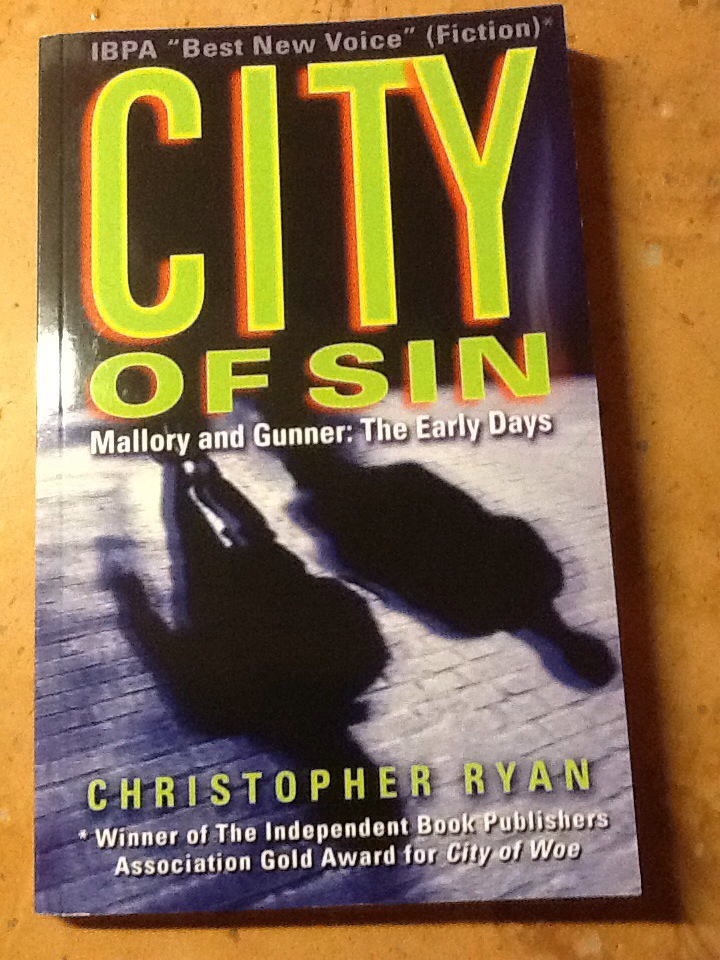
Christopher Ryan is author of City of Woe, available on Kindle and Nook, and in print. For more info, click here.